Metro Vancouver has announced that Stage 3 watering restrictions take effect June 8. If you want to keep your garden alive through the summer you will need a rainwater harvesting system.
 Vancouver Raincatchers
Save Your Garden From the Drought.
Vancouver is heading into one of its driest summers on record. Custom rainwater harvesting systems keep your garden lush — even when the sprinklers go off.
Locally owned · Free on-site assessments · Installs in days, not weeks
The Problem
Your Garden Is At Risk This Summer.
Years of careful planting can wither in weeks. Metro Vancouver's restrictions are tightening, and the forecast says it's only going to get drier.
Stage 3 starts June 8
Metro Vancouver has announced Stage 3 watering restrictions take effect June 8 — that means no outdoor watering at all, with no exceptions for gardens.
Your garden won't survive on its own
Without a backup water source, years of careful planting can wither in weeks. A rainwater harvesting system is the only legal way to keep watering once Stage 3 hits.
Above-ground & below-ground installs
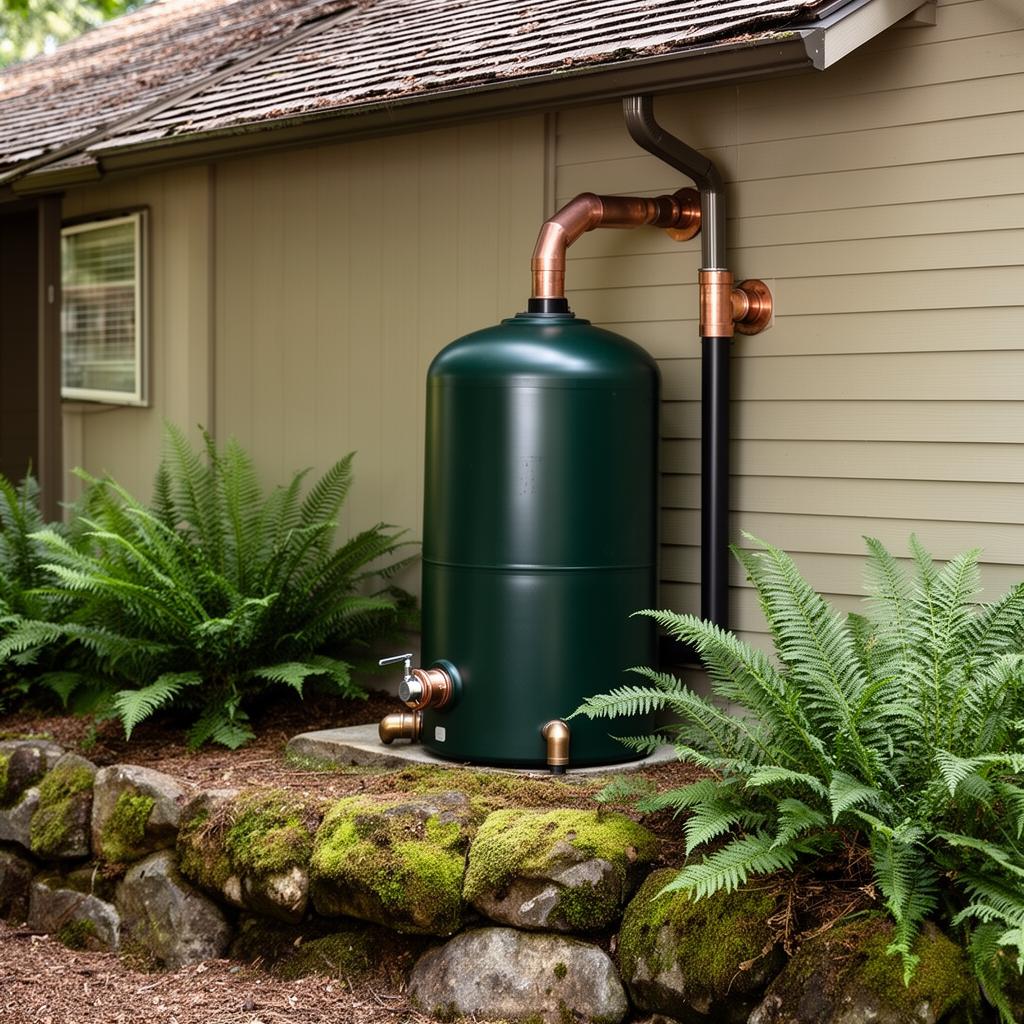
We install both above-ground and below-ground water storage systems.
The Solution
Catch the rain. Feed your garden.
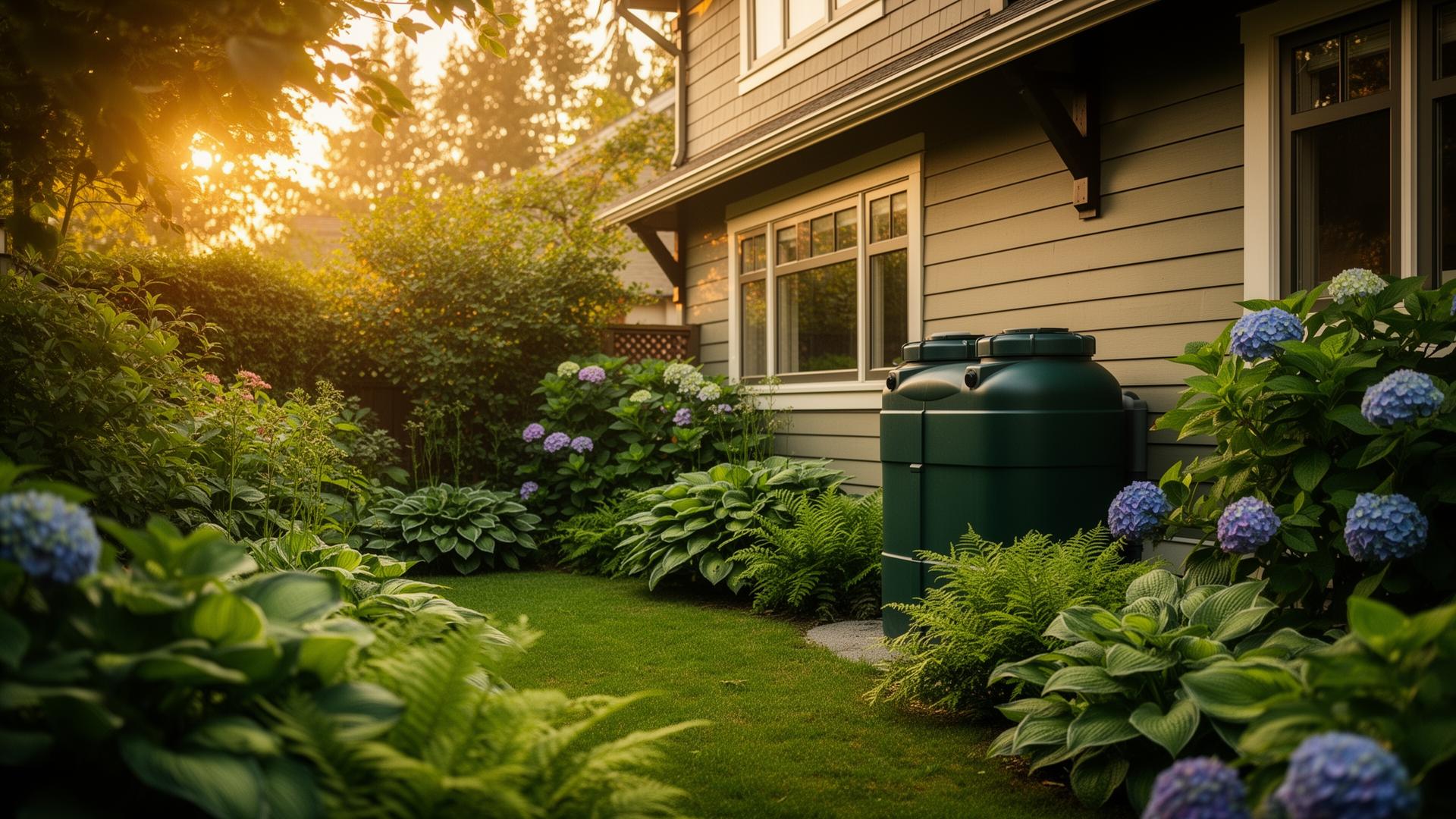
Vancouver gets more than enough rain in the off-season — we just don't store it. Our systems capture water from your roof and hold it for the dry months, so your garden never goes thirsty and you stay completely within the bylaws.
- Bypasses watering restrictions — it's your water
- Sized to your garden, from 200 to 5,000+ gallons
- Tucked discreetly along your home, not eyesores
- Gravity-fed or pumped, drip or hose-ready
How it works
From thirsty to thriving in three steps.
Free Assessment
We visit your property, look at your roof, downspouts, and garden, and recommend the right system.
Clean Install
Most homes are up and running in one to two days. We handle everything — tanks, plumbing, overflow.
Water Freely
Water your garden, all summer long, on your terms.
Why Vancouver Raincatchers
Local. Garden-first. End-to-end.
Custom Designs
We know the rainfall patterns, the bylaws, and the soil. Every system is custom designed for your property and the unique watering needs of your garden.
We handle everything
Permits, install, overflow management, winterizing, and seasonal service. One call, done.
FAQ
Rainwater harvesting in Vancouver, answered.
Common questions about collecting rainwater, watering restrictions, tank sizing, and what it costs in Metro Vancouver.
Is rainwater harvesting legal in Vancouver and the rest of Metro Vancouver?
+
Yes. Collecting rainwater from your roof for outdoor use — irrigation, garden watering, washing — is fully legal across Metro Vancouver, including the City of Vancouver, Burnaby, Richmond, Surrey, North Vancouver, and the District of West Vancouver. Rainwater you've captured is considered your water and is not subject to Metro Vancouver's drinking-water sprinkling restrictions, including Stage 1, 2, and 3.
Can I use harvested rainwater during Stage 3 watering restrictions?
+
Yes. Metro Vancouver's watering restrictions only apply to treated drinking water supplied through the municipal system. Water you've collected from your own roof is exempt — you can water your garden, lawn, and plants with it any day, at any time, even during a full Stage 3 ban.
How much rainwater can I actually collect from my roof in Vancouver?
+
Vancouver gets roughly 1,200–1,500 mm of rain per year. A typical 1,500 sq ft roof can capture more than 80,000 litres (about 21,000 US gallons) annually. Even a modest 1,000-gallon tank will refill many times over during our wet months, giving you a large reserve for the dry summer.
What size rainwater tank do I need for my garden?
+
It depends on your garden size, plant types, and how long you want to be self-sufficient through the dry months. As a rough guide: small gardens and container beds do well with 200–500 gallons, average residential gardens with 1,000–2,500 gallons, and large landscaped properties with 3,000–5,000+ gallons. We size every system based on a free on-site assessment.
Do you offer above-ground and below-ground (underground) rainwater tanks?
+
Yes. Above-ground tanks are faster, cheaper, and easy to service — great if you have a tucked-away spot beside the house. Below-ground (underground) cisterns are invisible once installed and ideal for larger storage or properties where appearance matters. We install both.
How much does a rainwater harvesting system cost in Vancouver?
+
Most residential rainwater harvesting systems in Metro Vancouver range from about $2,500 for a simple above-ground setup to $15,000+ for larger underground cisterns with pumps and filtration. Final cost depends on tank size, location, plumbing complexity, and whether you want gravity-fed or pumped delivery. We provide free, no-pressure quotes.
How long does installation take?
+
Most residential installs are completed in one to two days. Larger underground systems can take three to five days. We handle the tank, downspout diversion, overflow, and any pump or drip-line connections.
Is harvested rainwater safe for vegetable gardens?
+
Yes. Rainwater collected from a typical residential roof is excellent for vegetable gardens, fruit trees, and ornamentals — plants generally prefer it over chlorinated municipal water. For edible gardens we recommend a first-flush diverter and a fine inlet filter, both of which we include in our standard install.
Can rainwater be used inside the house for toilets or laundry?
+
Yes, with the right system. Indoor non-potable uses like toilet flushing and laundry require a pump, filtration, and a code-compliant cross-connection to your home's plumbing. We focus primarily on outdoor garden systems, but can advise on indoor expansions and connect you with the right trades.
What happens to a rainwater system in the winter?
+
Vancouver winters rarely freeze hard enough to damage a properly installed tank, but exposed pipes and pumps need to be drained or insulated. Our installs are winter-ready, and we offer optional seasonal service to drain, inspect, and re-commission your system each spring.
Do I need a permit to install a rainwater tank in Metro Vancouver?
+
For most above-ground residential tanks used purely for outdoor irrigation, no permit is required. Larger underground cisterns, or any system connected to indoor plumbing, may require a plumbing permit. We handle the paperwork when it's needed.
Does rainwater harvesting actually save money on my water bill?
+
Yes — especially as Metro Vancouver water rates continue to rise. A typical household using rainwater for the garden through the dry months can offset hundreds of dollars per year. The bigger payoff for most clients is keeping a mature garden alive through restrictions, which would cost thousands to replace.
Don't wait for the next watering ban.
The dry months are already here. Call or email today for a free, no-pressure assessment — and protect the garden you've worked years to build.